


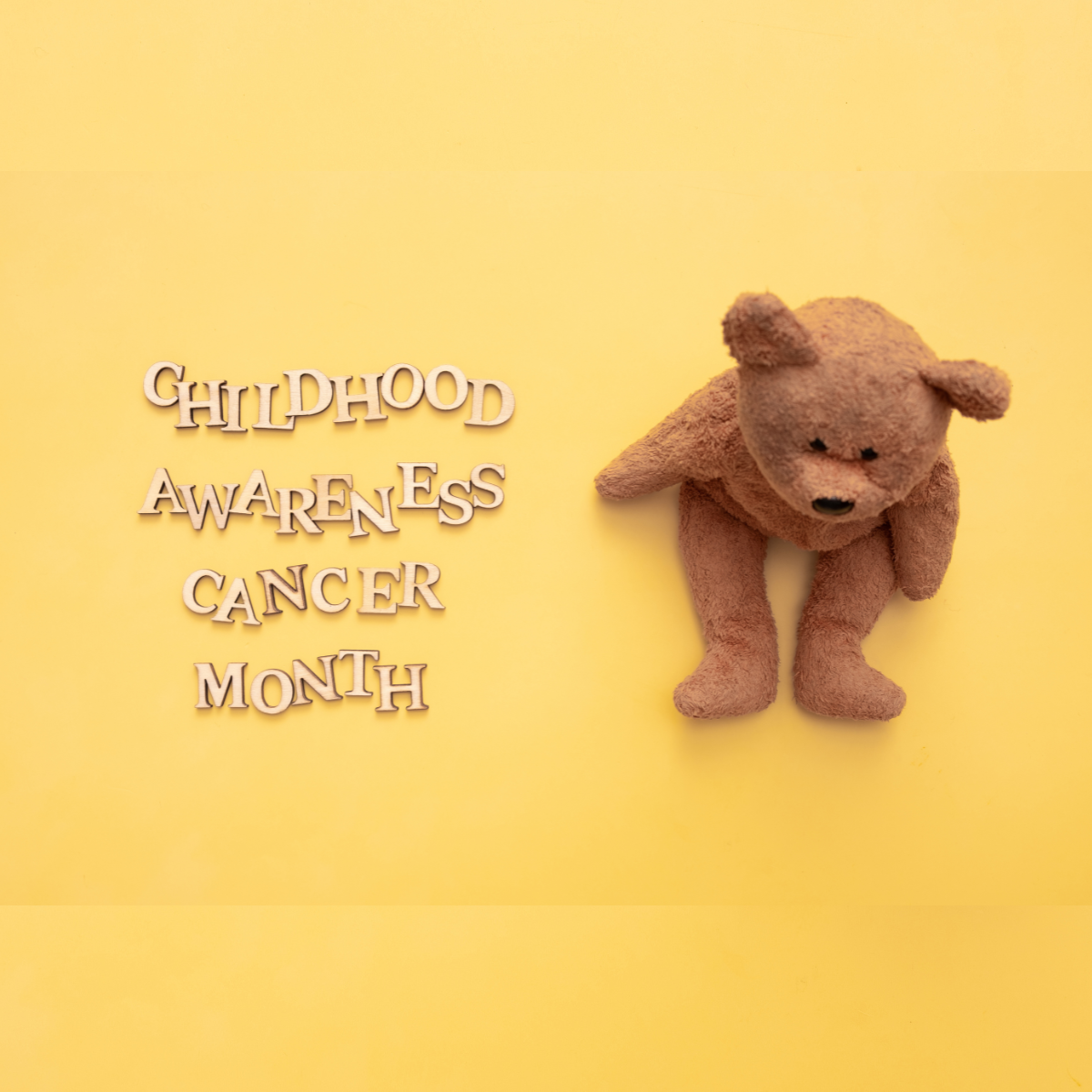
September is internationally recognised as Childhood Cancer Awareness Month, a period dedicated to raising awareness about one of the most pressing yet often overlooked health challenges affecting children worldwide. While advances in medical science have made childhood cancers among the most treatable conditions in wealthier nations, the picture is far more alarming in low- and middle-income countries (LMICs), where the majority of cases occur, according to World Child Cancer.
The unequal burden
World Child Cancer reports that nearly 80% of childhood cancer cases arise in LMICs. Yet fewer than a third of children in these contexts ever receive a confirmed diagnosis, and of those who do, survival rates remain critically low. This contrasts sharply with high-income countries, where survival averages around 80%. The implication is devastating: tens of thousands of children in LMICs die each year from otherwise treatable cancers, frequently without access to adequate pain relief.
Why survival rates differ
The survival gap is not the result of medical impossibility, but rather systemic inequities. As highlighted by World Child Cancer, several factors account for the disparity:
- Limited diagnostic capacity, leading to delayed or missed diagnoses.
- A shortage of doctors and nurses trained specifically in paediatric oncology.
- Persistent misconceptions that childhood cancer is too complex or costly to treat in resource-constrained settings.
Together, these challenges perpetuate a cycle of poor outcomes, underfunding, and limited political will to address the issue.
Pathways to hope
Despite these barriers, the solutions are neither unattainable nor prohibitively expensive. World Child Cancer emphasises that at least half of childhood cancers can be cured in LMICs through the use of affordable medicines and procedures that have been established in medical practice for decades. This demonstrates that significant improvements in survival are achievable with strengthened health systems, improved training, and increased awareness.
South Africa’s context: Awareness as the first line of defence
The reality in South Africa underscores the urgency of awareness initiatives. According to the South African Government, fewer than half of children with cancer in the country are currently diagnosed, and many of those who are diagnosed are identified only once the disease has reached an advanced stage. One of the key reasons for this is a lack of awareness and knowledge within some parts of the healthcare system about the early warning signs of childhood cancer.
To address this gap, the Childhood Cancer Foundation South Africa (CHOC), working with the South African Childhood Cancer Study Group, launched an Awareness Programme aimed at disseminating information on early warning signs. The objectives of the programme include ensuring that children with cancer are diagnosed as early as possible and that these warning signs are recognised throughout the health system, from primary healthcare clinics to larger hospitals (South African Government, 2025).
These efforts highlight how targeted awareness and training can make a decisive difference in reducing late diagnoses and improving survival rates in South Africa.
A collective call to action
Childhood Cancer Awareness Month is not merely symbolic; it is a reminder of the urgent need for collective action. Governments, researchers, healthcare providers, and communities must work together to:
- Enhance early detection and diagnostic services.
- Expand specialised training in paediatric oncology.
- Guarantee equitable access to affordable treatment and supportive care.
- Dispel myths that deter policy investment in childhood cancer.
- Support awareness programmes such as those spearheaded by CHOC in South Africa.
No child should die simply because of where they were born or because the signs went unrecognised. Through the bridging of the survival gap, the global and South African communities can save countless lives and ensure that every child, regardless of geography, has the chance to thrive. As World Child Cancer makes clear, progress is possible if stakeholders commit to scaling up proven solutions and prioritising childhood cancer within broader health agendas and as the South African Government emphasises, awareness is the essential first step.

Leave a Reply