


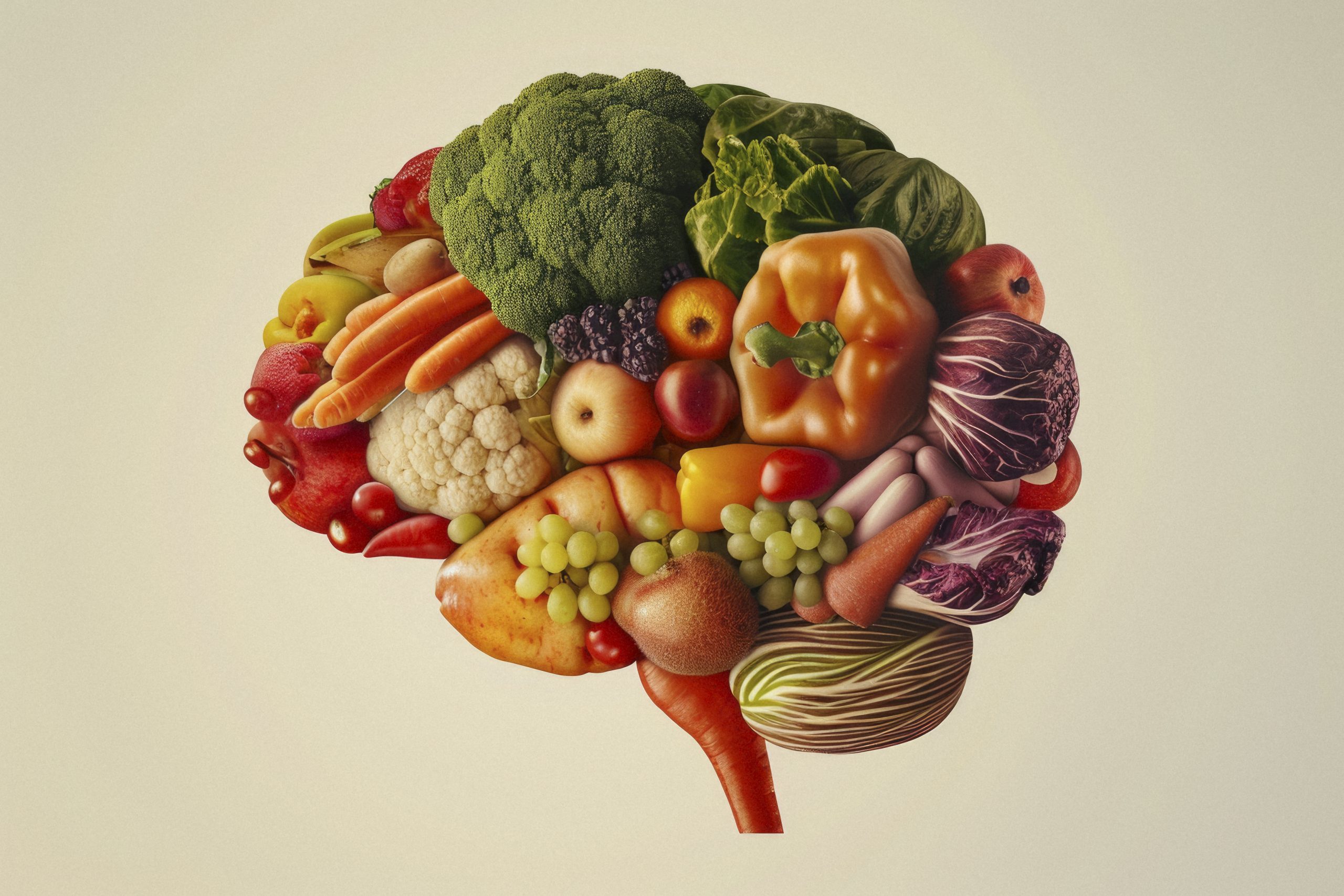
Extended periods of research and intellectual work demand more than perseverance and strong analytical skills; they also require careful attention to nutrition. The food and drink choices made during prolonged study sessions play a decisive role in sustaining mental energy, cognitive clarity, and overall well-being. For postgraduate students, academics, and professionals alike, dietary strategies can be as critical to productivity as time management and effective study techniques.
Nutrition and the Cognitive Demands of Research
The brain is one of the body’s most metabolically active organs. Although it constitutes only about two percent of body weight, it consumes nearly 20 percent of daily energy expenditure. Its preferred fuel source is glucose, which must be delivered steadily to ensure optimal functioning. When blood sugar fluctuates or hydration is inadequate, researchers often experience:
- Fatigue
- Diminished concentration
- Irritability
- Reduced problem-solving capacity
Unlike physical labour, which taxes muscles, intellectual work stresses neural circuits that require a continuous supply of micronutrients, antioxidants, and hydration to perform effectively. Recent findings in nutritional neuroscience demonstrate that diets rich in fruits, vegetables, healthy fats, and sufficient water intake are associated with sharper memory, stronger focus, and reduced cognitive decline. These insights suggest that nutrition is not peripheral but central to high-level academic performance.
Three Evidence-Informed Strategies for Cognitive Nutrition
1. Prioritise Whole Foods: Fruits, Vegetables, and Nuts
Whole foods provide a complex matrix of nutrients essential for brain health. Fruits, particularly berries, supply antioxidants and phytochemicals that have been shown to support memory and protect against oxidative stress. Vegetables, especially dark leafy greens and cruciferous varieties, contribute B-vitamins and minerals critical for neurotransmitter production, the chemical communication system that underpins cognition.
Key Brain-Boosting Foods:
- Berries are rich in antioxidants and memory-supporting compounds
- Dark leafy greens are packed with B vitamins and minerals
- Cruciferous vegetables support neurotransmitter production
Nuts and seeds, long recognised in both traditional diets and contemporary nutrition research, provide omega-3 fatty acids, protein, and magnesium. These nutrients promote stable energy release and assist in managing stress, making them valuable for individuals engaged in sustained intellectual effort. A modest portion of almonds, walnuts, or groundnuts (peanuts) can deliver significant cognitive benefits without the energy fluctuations common with processed snacks.
2. Hydration as a Cognitive Imperative
Hydration status is directly linked to mental performance. Even mild dehydration, represented as little as a two per cent loss of body weight, has been documented to impair memory, attention, and executive function. Yet during periods of intense concentration, thirst cues are easily overlooked.
Water remains the most effective hydration source. However, a range of herbal teas can complement fluid intake while offering additional cognitive benefits:
| Tea Type | Benefits |
|---|---|
| Green tea | Moderate caffeine balanced by L-theanine for calm focus |
| Peppermint tea | Linked with improved alertness |
| Chamomile tea | Assists in reducing stress and anxiety |
| Rooibos tea | Caffeine-free, antioxidant-rich alternative |
In many African contexts, rooibos tea offers a caffeine-free, antioxidant-rich alternative that aligns with cultural consumption patterns.
3. Replace Processed Snacks with Nutrient-Dense Alternatives
Dietary choices during research sessions often default to convenience foods, crisps, pastries, or sugary drinks. While these provide immediate gratification, their high glycemic load typically leads to sharp blood sugar spikes followed by energy crashes, undermining sustained focus.
Instead, evidence supports nutrient-dense snacks that balance protein, complex carbohydrates, and healthy fats:
Smart Snack Options:
- 🍎 Apple slices with nut butter
- 🥛 Greek yoghurt with berries and seeds
- 🥕 Vegetable sticks with hummus
- 🥚 Hard-boiled eggs paired with whole-grain crackers
- 🥜 Homemade trail mix of nuts, seeds, and limited dried fruit
These options promote stable blood sugar levels, extend satiety, and maintain cognitive clarity throughout prolonged work.
Building Sustainable Nutritional Practices
For researchers, the central challenge is not knowledge of healthy foods but the practical application of nutritional principles in the midst of demanding schedules. Here, preparation is key. Pre-cut vegetables, portioned nuts, or pre-brewed herbal teas reduce the reliance on impulsive choices.
Equally important is aligning meals with research routines. Planning nutrient-rich meals and snacks around periods of intensive study ensures that hunger and energy crashes do not interfere with productivity.
Pro Tip: Small, consistent adjustments are often more effective than drastic dietary overhauls, fostering habits that are both sustainable and supportive of long-term cognitive performance.
Nutrition as a Long-Term Investment in Academic Life
The benefits of mindful eating extend beyond immediate productivity. Over time, consistent attention to nutrition contributes to:
- Cognitive resilience
- Emotional regulation
- Reduced risk of burnout
In the long run, these dietary practices form part of a broader foundation for academic success and intellectual longevity.
Final Thoughts
As an African proverb reminds us, “A healthy body carries a healthy mind.” Integrating nutrient-rich foods, adequate hydration, and mindful snacking into research routines is not merely a matter of personal wellness. It is a strategic investment in the quality, sustainability, and impact of one’s scholarly work.
Remember: Your brain is your most important research tool. Feed it well, and it will serve you well in return.
What are your go-to brain foods during long study sessions? Share your favourite healthy research snacks in the comments below!




Leave a Reply