


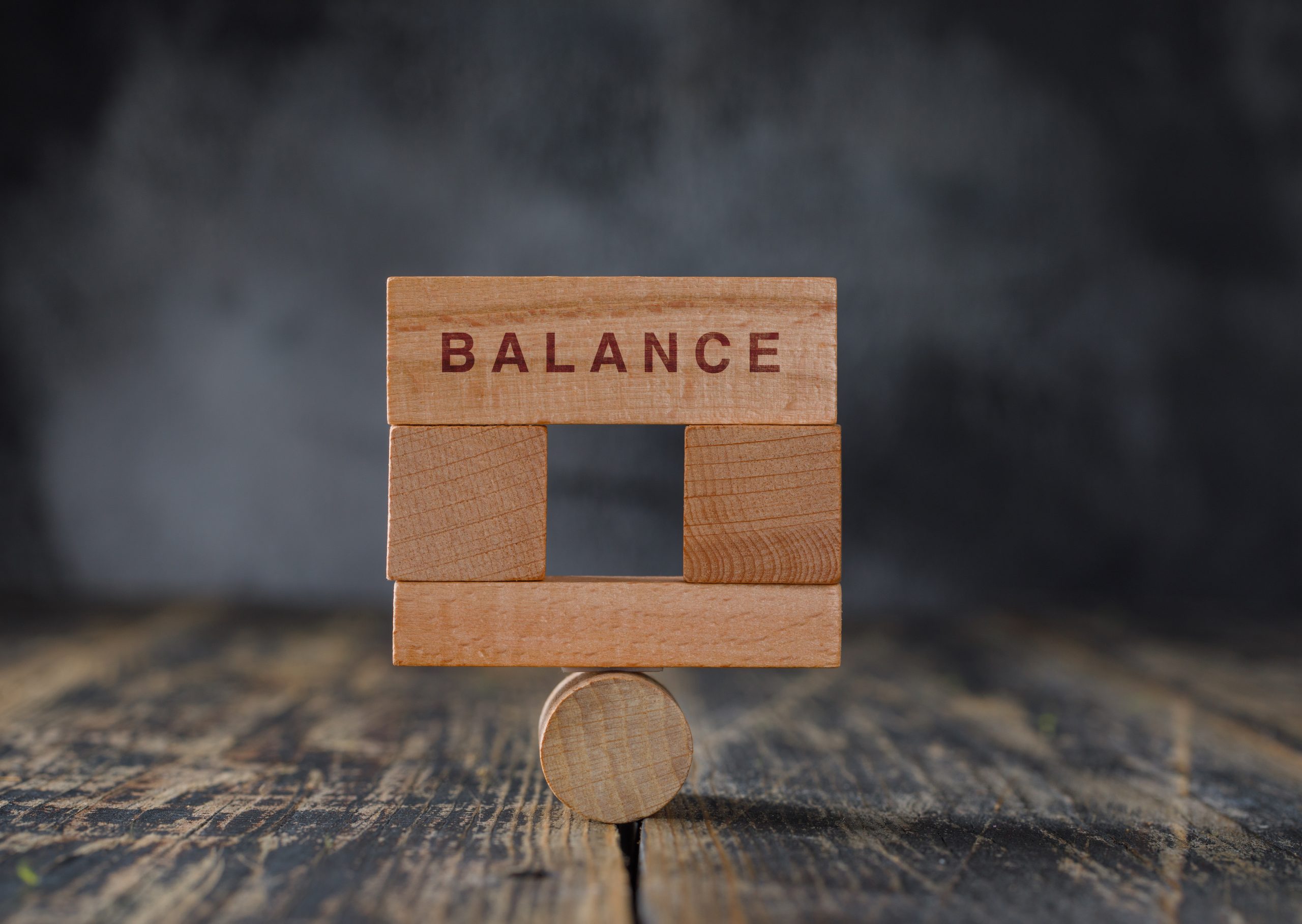
The Question Everyone’s Asking
If you’ve ever felt guilty for taking a break, answered work emails at 11 PM, or skipped dinner to finish an assignment, you’re living the modern work-life imbalance. The bigger question isn’t whether you’re experiencing it—it’s whether true balance is even possible anymore.
Here’s something that might surprise you: more than 3 in 4 students (76%) say work-life balance is a top priority when considering a job, ranking above remote work options and nearly as high as salary. Yet research shows that less than half of students (45%) feel they currently have an excellent or good school-life balance.
The Disconnect Is Real
There’s a massive gap between what we want and what we’re experiencing. Recent research found that 60% of employees worldwide report having a healthy work-life balance, but that means 40%—nearly half—don’t. In academia specifically, the question “Is work-life balance possible in 2024-2025?” has become a central concern as faculty juggle research, teaching, and administrative duties.
The pandemic made things worse. Research shows that the COVID-19 pandemic disrupted routines and blurred boundaries between academic, personal, and professional life, destabilising the external structures that once supported effective time regulation.
What Work-Life Balance Actually Means
Let’s get clear on what we’re talking about. Work-life balance is the amount of time you spend working compared to time pursuing things outside of work, measured in hours, enjoyment, or mental energy. It’s not about perfect 50-50 splits—it’s about feeling like your life isn’t entirely consumed by work or study obligations.
Research emphasises that balance doesn’t mean equal time distribution but rather having adequate time and energy for both professional responsibilities and personal life, including family, hobbies, rest, and relationships.
The Academic Struggle
For academics and students, the challenge is particularly acute. Studies show that academic professionals face excessive workload, mental health issues, and time management challenges that compromise their work-life balance. Teaching responsibilities alone—including course prep, grading, and student interaction—can overwhelm faculty, affecting their personal and family lives.
Graduate students have it especially tough. Research indicates that graduate students juggle competing academic, professional, and personal obligations, leading to significant time management challenges and feelings of guilt for not being able to give adequate attention to all areas.
The Student Perspective
Recent research found an alarming disconnect: nearly double the number of parents believe their students have excellent or good school-life balance (80%) compared to students themselves (45%). More concerning? Twenty-nine per cent of students with a fair to very poor school-life balance feel it’s negatively impacting their ability to start career planning.
Students with strong school-life balance are clearer about their futures, with 76% knowing what career they want to pursue. Balance isn’t just about well-being—it’s about your ability to plan and build your future.
Why This Generation Cares More
Here’s what’s interesting: when students think about careers, work-life balance (47%) ranks as the most important factor, followed by meaningful work (39%) and a safe work environment (38%). These priorities outrank income potential (34%), job stability (20%), and workplace culture (11%).
This isn’t laziness—it’s wisdom. This generation watched their parents burn out, sacrifice relationships for careers, and regret missing life’s moments. They’re determined not to repeat those mistakes.
The Theoretical Framework
Research applies Boundary Theory to understand work-life balance, suggesting that individuals create, maintain, and negotiate boundaries to separate or integrate their professional and personal roles. The challenge today? Technology has made those boundaries nearly invisible. Your laptop follows you home. Work emails ping during dinner. The separation between “work time” and “life time” has essentially collapsed.
Can Balance Actually Exist?
Here’s the reality: perfect balance is probably a myth, but sustainable rhythms are absolutely possible. Research emphasises that to achieve work-life balance in 2024-2025, institutions must focus on sustainable practices supporting both productivity and personal well-being, recognising mental health as key to success.
The key insight? Work-life balance isn’t something you achieve once and maintain forever. It’s an ongoing negotiation, adjustment, and sometimes complete restructure of your priorities and boundaries.
What Makes the Difference
Research identifies several factors that either support or undermine balance:
Supportive: Flexible schedules, clear expectations, adequate resources, supportive organisational culture, ability to set boundaries, access to mental health resources
Undermining: Always-on work culture, unclear role boundaries, excessive workloads, lack of autonomy, pressure to be constantly available, inadequate support systems
Moving Forward
The next blogs will explore specific strategies for students, academics, and professionals to create sustainable work-life balance. We’ll also dive into productivity myths, time management that actually works, and how to set boundaries without guilt.
For now, know this: wanting work-life balance isn’t unrealistic or entitled. It’s essential for long-term success, well-being, and actually enjoying the life you’re working so hard to build.
References
- BestColleges (2024). “Work-Life Balance Tops List of College Student Job Priorities”
- Editverse (2024). “Work-Life Balance in Academia: Is It Possible in 2024-2025?”
- ResearchGate (2024). “Understanding Work-Life Balance Challenges among Academic Professionals in Higher Education”
- Sage Journals (2025). “Work-Life Balance Among University Academic Leaders in a Developing Country Context”
- Hubstaff (2025). “Work-Life Balance Statistics for 2024: A Global Perspective”


Leave a Reply