


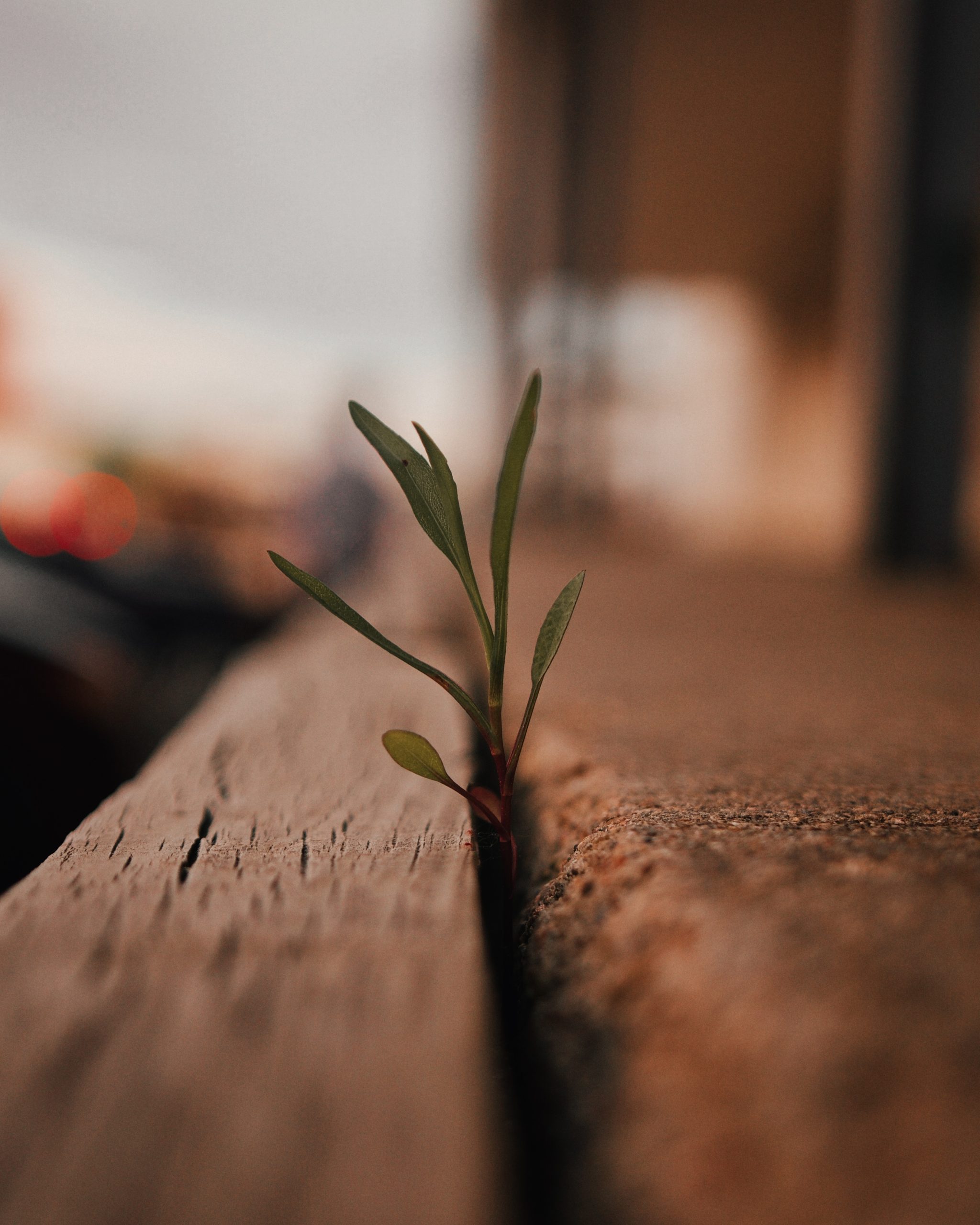
Resilience Isn’t Toxic Positivity
Let’s be clear: resilience doesn’t mean “just stay positive” or “tough it out”. That’s toxic positivity, and it’s exactly what burns people out. Real resilience, according to research, is the ability to adapt and grow in the face of adversity. Notice “adapt”, not “endure unchanged”. It’s about developing tools to navigate stress effectively, not becoming immune to it.
What Research Shows About Resilience
A recent meta-analysis found significant correlations between resilience and reduced depression, anxiety, and stress. But here’s what’s crucial: resilience isn’t a personality trait you either have or don’t have. It’s a set of skills, resources, and strategies that can be developed.
Research following students throughout an academic year found that both internal assets, like emotion regulation, and external resources, like social support, were associated with reducing stress, which promoted mental health.
The Resilience Portfolio Model
Think of resilience like a diversified investment portfolio—you need multiple types of assets working together:
Internal Assets: Individual psychological strengths like emotion regulation, self-efficacy, and adaptive coping. Studies show these can be taught and improved through practice.
External Resources: Social support, mental health services, mentorship, and organisational resources. You can’t just “think positive” through inadequate support systems.
Cultural Fit: Research found that perceived congruity between personal identity and environment was directly related to better mental health. Belonging matters.
Social Support: The Game-Changer
Research consistently demonstrates that social support buffers negative effects of stress. Studies show that both family and friend support weaken relationships between stress and mental health problems, with family support showing particularly strong effects.
This isn’t just having people to vent to. It’s having relationships where you feel genuinely supported, understood, and valued. Research on near-peer mentoring showed that mentoring relationships effectively increased resilience and maintained mental health, benefiting both mentors and mentees.
Building Self-Efficacy
Research examining self-efficacy found that when it changes over time, burnout also varies. Students with higher self-efficacy experience lower burnout and better outcomes. Self-efficacy can be built through mastery experiences, seeing similar others succeed, encouragement from trusted sources, and managing stress responses.
The Role of Institutions
Research emphasises that universities and organisations must embed mental health into their core mission. The pandemic demonstrated that resilience is not built in crisis but through sustained commitments before disruption occurs. Individual resilience training isn’t enough when the system itself is broken.
Studies show that universities offering accessible counselling services saw students with improved GPAs, highlighting the positive impact of institutional support on success.
Emotion Regulation: The Underrated Skill
Research identifies emotion regulation as crucial for resilience. This doesn’t mean suppressing emotions—it means developing skills to recognise feelings, understand triggers, choose adaptive responses, and allow difficult emotions without being overwhelmed. Studies show these skills can be taught through cognitive-behavioural approaches, mindfulness, and therapy.
What Resilience Training Actually Involves
Evidence-based interventions include cognitive approaches for challenging unhelpful thoughts, behavioural strategies for healthy routines and boundaries, social connection building, and connecting with meaningful purpose beyond external validation.
When Resilience Isn’t Enough
Here’s something important: resilience training alone cannot fix toxic environments. If your setting has unrealistic expectations, a lack of support, discrimination, or abuse, personal resilience won’t make that sustainable. Research emphasises that organisations failing to prioritise mental health remain vulnerable regardless of individual resilience levels.
Building Your Portfolio
Based on evidence, assess your current resources, strengthen social connections (consistently the most powerful protective factor), develop emotion regulation skills, build self-efficacy through achievable challenges, and advocate for systemic change. Individual resilience plus collective action creates lasting change.
References
- PubMed (2024). “Resilience, Stress, and Mental Health Among University Students: A Test of the Resilience Portfolio Model”
- PMC (2024). “Examining the Resilience of University Students: A Comparative Mental Health Study”
- Frontiers in Education (2024). “Enhancing resilience: the impact of a near-peer mentoring program on medical students”
- Frontiers in Psychiatry (2025). “The correlation between resilience and mental health of adolescents and young adults: a systematic review and meta-analysis”
- Frontiers in Psychology (2025). “University students’ resilience in post-pandemic period: a socio-ecological perspective”



Leave a Reply