


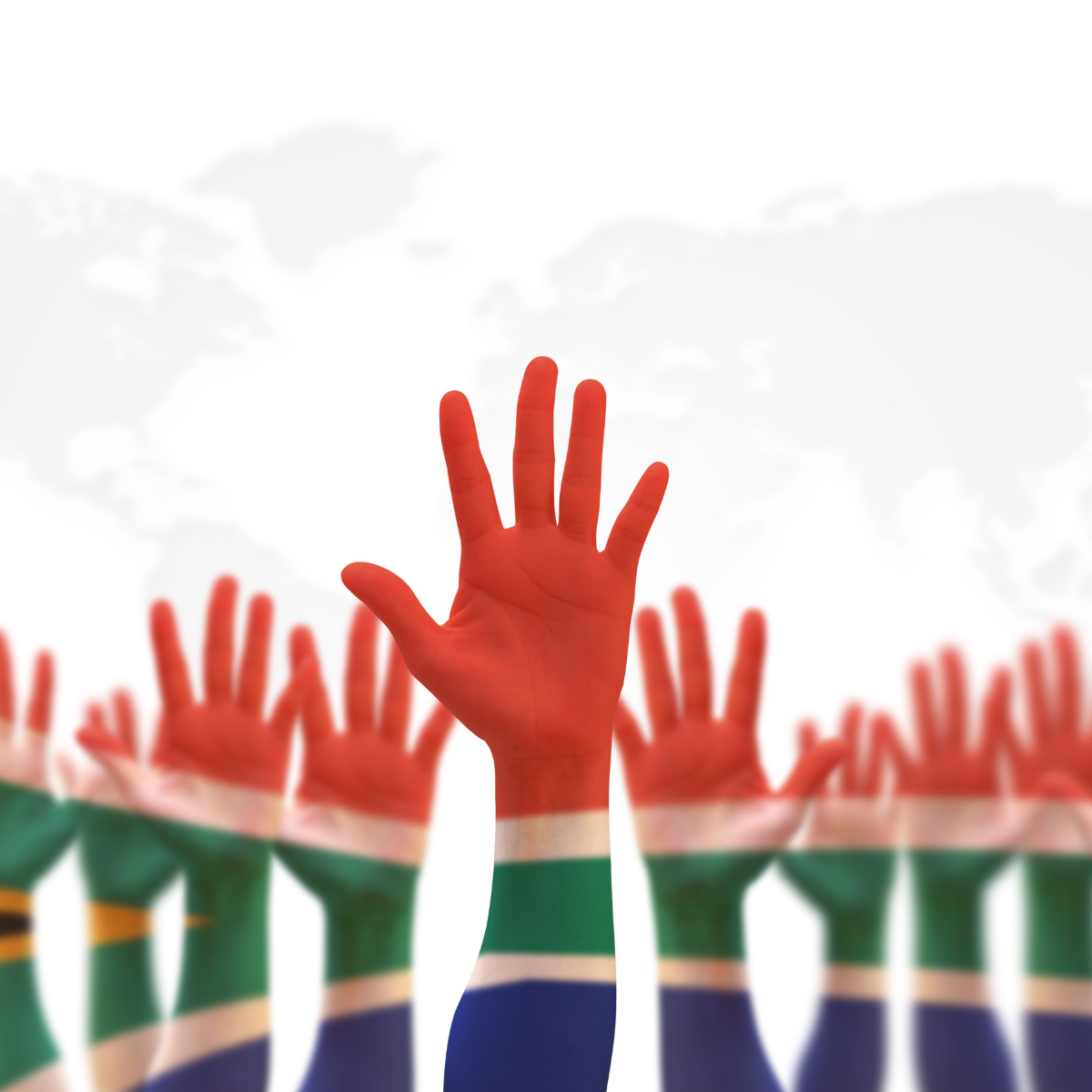
As the 16 Days of Activism for No Violence Against Women and Children begins on November 25th, the theme “Letsema” (working together) challenges us: how do young South Africans move from being bystanders to being part of the solution?
From Global Stage to Personal Responsibility
Last week’s G20 Summit showcased South Africa on the global stage. But Women for Change protested: “How can we discuss growth while burying a woman every 2.5 hours?” This jarring statistic connects everything from the academic integrity we discussed two weeks ago to the career opportunities the G20 represents. None of it matters if we’re not safe.
The Male Mental Health Connection
Remember our International Men’s Day blog last month? We discussed how 79% of mental health deaths in South Africa are men and how toxic masculinity harms everyone. Research establishes a direct link between poor male mental health and gender-based violence perpetration.
The South African Society of Psychiatrists notes that men taught to suppress emotions, view vulnerability as weakness, and prove masculinity through dominance are more likely to engage in harmful behaviours, including violence. This isn’t excusing violence; it’s understanding root causes so we can address them.
What Research Shows Works
A comprehensive review of GBVF interventions reveals that programmes involving men as active participants, not just as perpetrators, need to be reformed to show the most promising results. When young men see healthy masculinity modelled and have spaces to process emotions safely, violence decreases.
The 90-Day GBVF Acceleration Programme launched by the South African government emphasises rapid, coordinated action. But research shows that lasting change requires cultural shifts, not just policy interventions.
For students and young professionals, this means challenging “locker room talk” that normalises disrespect, speaking up when peers make sexist jokes or comments, examining your own attitudes about masculinity and femininity, supporting survivors rather than protecting reputations, and creating spaces where men can discuss emotions without judgement.
The Campus Reality
Research on South African universities documents that GBVF isn’t just a “township issue” or something that happens “out there”. Studies show harassment, assault, and intimate partner violence across all institutions, cutting across race and class lines.
If you’re a man reading this: statistically, you know someone who’s been violent, even if you don’t know you know. If you’re a woman, you almost certainly know someone who’s experienced violence, possibly you. This isn’t hypothetical. It’s our collective reality.
The cabinet reports that despite concerted efforts by government, civil society, businesses, and communities, South Africa continues to grapple with alarming GBVF rates. This isn’t for lack of awareness, but translating awareness into action.
Letsema in Action
The 16 Days campaign (November 25 – December 10) calls for working together like a community harvest. Practically, this means attending campus awareness events and really listening, examining how you talk about women, relationships, and consent, supporting friends who disclose violence without judgment, challenging peers who exhibit harmful attitudes or behaviours, and educating yourself about consent, healthy relationships, and support resources.
Research shows that peer education and intervention are among the most effective GBVF prevention strategies. When young people hold each other accountable, cultures change.
The AI Ethics Connection
Two weeks ago, we discussed academic integrity and the use of AI. Here’s an unexpected connection: research shows that online spaces, including AI-generated content, can either reinforce or challenge harmful gender stereotypes. The digital content we create, share, and consume shapes cultural norms.
Studies demonstrate that exposure to respectful, egalitarian online content correlates with healthier real-world attitudes. Conversely, toxic online spaces normalise violence. What you engage with online influences how you show up offline.
Moving Forward Together
The G20 highlighted South Africa’s potential. The 16 Days of Activism reminds us that potential means nothing if half our population lives in fear.
Letsema. We work together, or we fail together. Your role in ending GBVF starts with how you show up today: in conversations, in relationships, and in moments when speaking up feels uncomfortable but necessary.
References:
- South African Government (2025). “16 Days of Activism for No Violence Against Women and Children Campaign”
- SA Federation for Mental Health (2024). “A Silent Pandemic – Men’s Mental Health”
- JCPS Cluster (2025). “90-Day GBVF Acceleration Programme”


Leave a Reply