


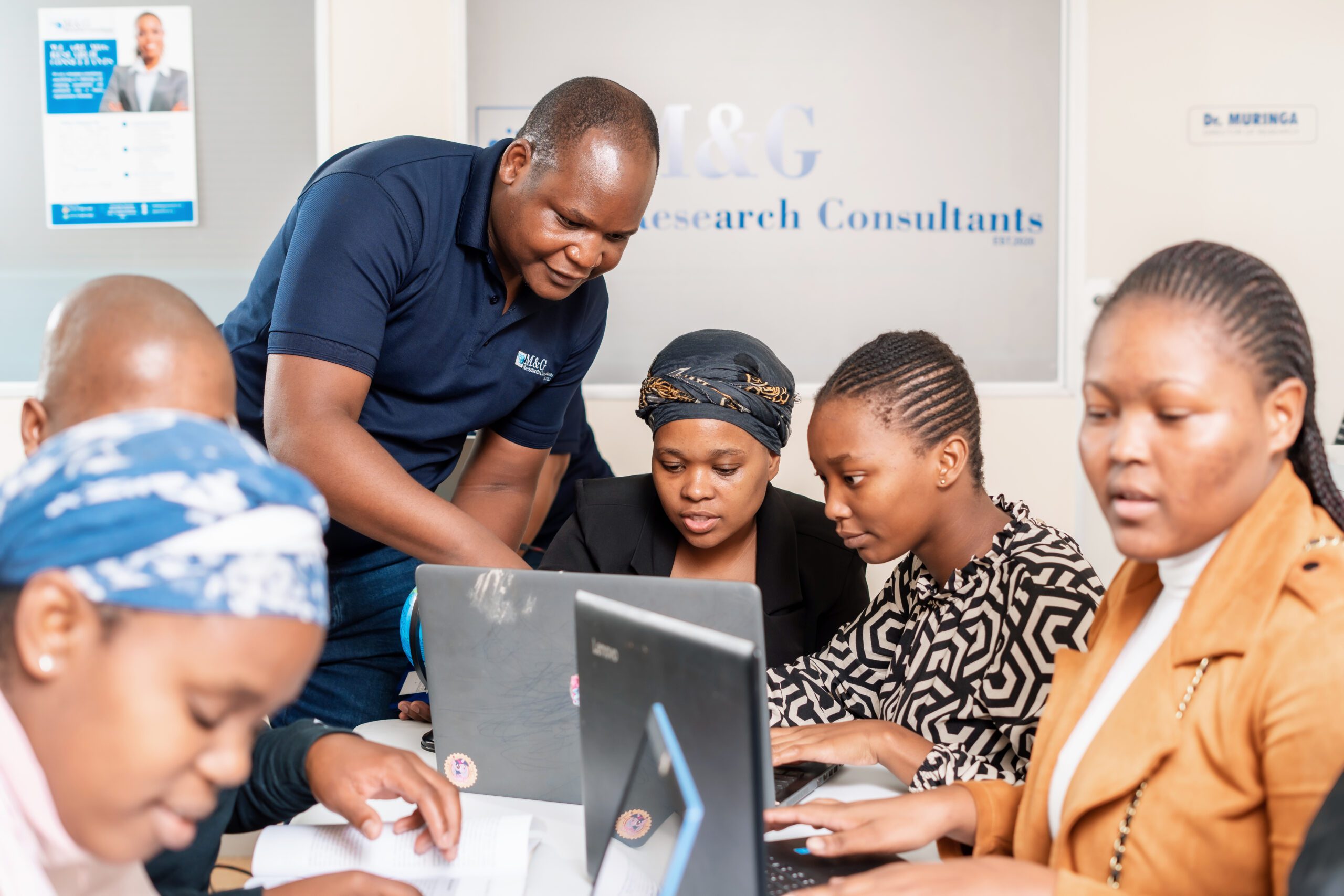
Every successful postgraduate journey depends not only on intellectual ability but also on the strength of the relationship between student and supervisor. While time management and writing skills are important, many students find that the real challenge lies in navigating communication, expectations, and feedback. A healthy supervisor–student relationship can transform the research experience, while a poor one can lead to frustration and stagnation. Building this relationship requires preparation, openness, and mutual respect.
1. Prepare for and structure supervisor meetings
Supervisor meetings are most effective when they are well-organised and purposeful. Before each meeting, take time to prepare a clear agenda outlining what you have accomplished, what challenges you are facing, and what specific feedback you need. Send relevant documents or chapter drafts in advance to allow your supervisor to review them meaningfully.
During the meeting, focus on key discussion points rather than general updates. Note down decisions, recommendations, and deadlines. Afterward, summarise these in an email or a research journal to keep track of progress and clarify mutual expectations. Structured preparation shows commitment, reduces confusion, and keeps your research on schedule.
2. Receive and act on feedback constructively
Feedback is one of the most powerful tools for academic growth but only if it is approached with the right mindset. When receiving comments, avoid taking them personally. Instead, view them as opportunities to refine your thinking and strengthen your argument. Listen actively, ask questions for clarity, and take time to understand the reasoning behind each suggestion.
Prioritise feedback by importance: address conceptual or methodological issues before focusing on style or formatting. Create a checklist of action items to ensure that every piece of feedback leads to concrete improvements. Document how you have incorporated changes; this not only demonstrates accountability but also helps track your academic development over time.
3. Manage differing expectations and communication breakdowns
Differences in working styles and expectations are common. Some supervisors prefer detailed, regular updates, while others expect independent progress until specific milestones. Clarify these preferences early on — for example, how often to meet, the format of updates, and turnaround times for feedback.
When misunderstandings arise, address them promptly and professionally. Avoid letting small issues accumulate into larger tensions. Use polite, assertive communication to express concerns, focusing on the issue rather than personal emotions. If feedback feels unclear, request specific examples or written notes. Transparency and respect are key to maintaining a positive working relationship.
4. Turn supervision into a learning partnership
At its best, supervision is not a hierarchical process but a collaborative partnership. Engage your supervisor as an intellectual ally — someone who challenges you to think critically and supports you in refining your ideas. Take initiative in shaping discussions, propose solutions to problems, and show that you value their expertise.
Be open to different perspectives and acknowledge constructive criticism. This attitude fosters trust and mutual respect, which in turn leads to richer academic conversations and stronger research outcomes. Over time, such a partnership not only enhances your dissertation but also develops your confidence as an independent researcher.
From feedback to fulfilment
The supervisor-student relationship is a cornerstone of postgraduate success. It thrives on clear communication, thoughtful preparation, and the willingness to learn from feedback. By structuring meetings, acting constructively on advice, managing expectations, and fostering collaboration, postgraduate researchers can transform supervision into one of the most rewarding aspects of their academic journey. Effective supervision is not just about receiving feedback it is about turning that feedback into meaningful academic progress.




Leave a Reply