


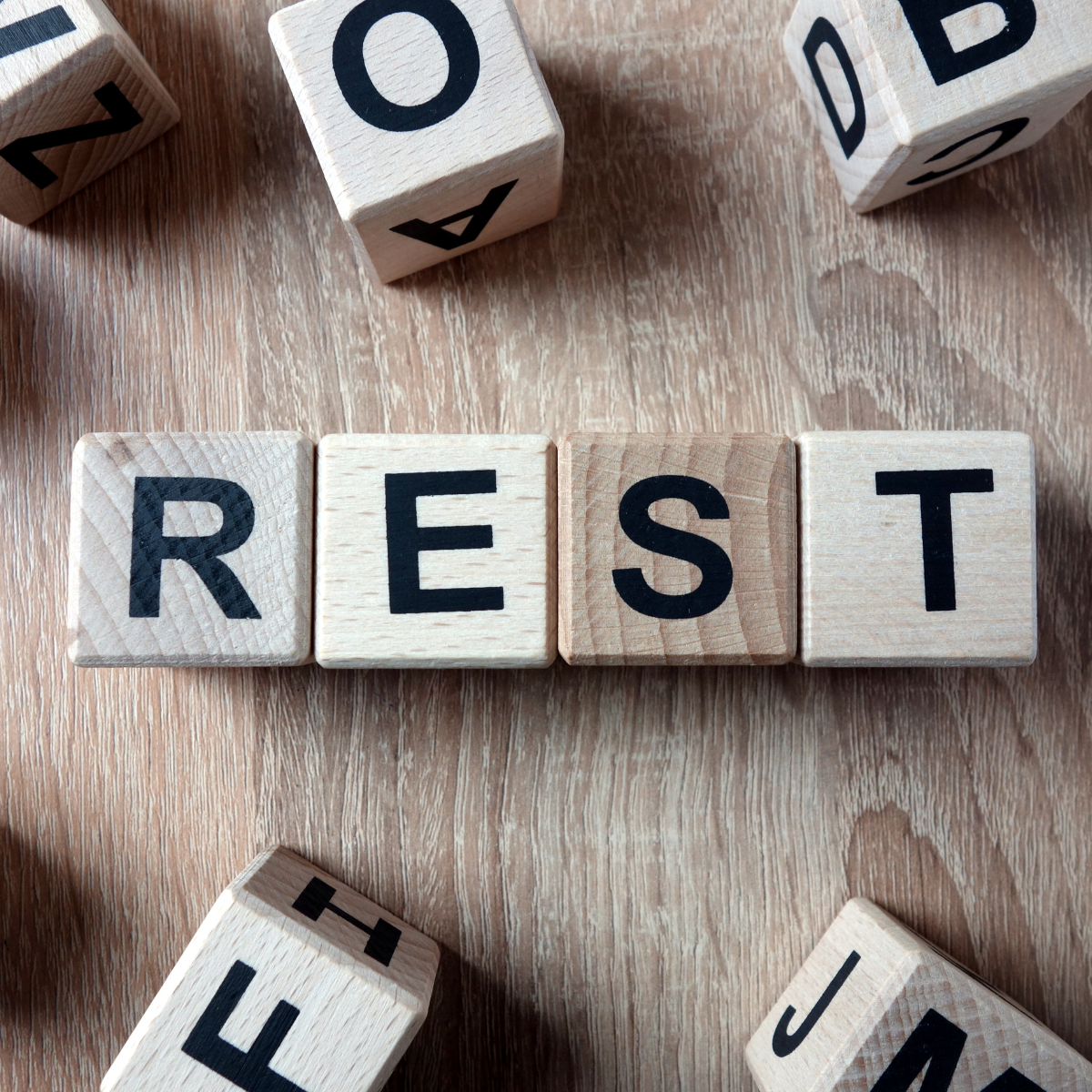
In the pursuit of academic excellence, students often equate productivity with endless studying. The long hours, skipped meals, and restless nights may feel like dedication, yet they silently erode the very abilities needed to perform well. True achievement in exams does not arise from exhaustion, but from equilibrium. Rest, nutrition, and movement are the often-ignored foundations that sustain focus, memory, and emotional balance.
1. Rest: The Foundation of Cognitive Strength
Sleep is the brain’s silent architect, shaping how information is stored and recalled. During deep rest, the mind organises new knowledge, strengthening neural pathways through a process known as memory consolidation. Educational and neuroscience research consistently demonstrate that adequate sleep enhances comprehension, creativity, and decision-making, all of which are vital during exams (Diekelmann, 2014; Peng et al., 2020).
In contrast, sleep deprivation disrupts attention and emotional regulation, often amplifying stress. Maintaining 7–8 hours of quality rest each night restores both concentration and confidence, turning fatigue into focus.
2. Nutrition: Fuel for Focus and Emotional Balance
What students eat directly influences how they think and feel. A nutrient-rich diet emphasising fruits, vegetables, whole grains, and proteins supports sustained concentration and mental clarity. The brain’s high energy demands mean that poor nutrition quickly translates into sluggishness or irritability.
Quick fixes like caffeine, energy drinks, or processed snacks provide short bursts of alertness but often end in mental crashes. For instance, Oliver et al. (2021) found that energy drinks and caffeine offer only short-term improvements in reaction time and alertness, with effects diminishing rapidly and sometimes leading to increased mental fatigue afterwards. Balanced meals and proper hydration, on the other hand, stabilise mood and endurance, ensuring the mind remains alert across long study hours.
3. Physical Activity: The Natural Stress Regulator
Exercise is often viewed as a luxury during exams, but it is, in fact, a necessity. Movement stimulates blood flow to the brain, releasing endorphins that counter stress hormones and elevate mood. Even brief sessions, such as a morning jog, stretching, or a brisk walk, can clear the mind and sharpen focus.
Psychological research links regular physical activity with improved academic motivation and emotional regulation. Students who integrate light exercise into their study routines often report better concentration and reduced tension, proving that active bodies support active minds (Young-Jones, McCain, & Hart, 2022).
4. Finding Balance: Integrating Health Into Study Routines
The path to sustained academic performance lies in rhythm alternating between exertion and recovery. Intentional breaks, balanced meals, and consistent rest periods form the ecosystem of a productive mind. By caring for their physical wellbeing, students not only strengthen their memory and creativity but also cultivate calm amid academic pressure.
It is important to note that success is not defined by how many hours one studies, but by how effectively the body and mind work together. Rest, nutrition, and physical activity are not distractions from learning they are the very conditions that make learning possible.
References
Diekelmann, S., 2014. Sleep for cognitive enhancement. Frontiers in systems neuroscience, 8, p.46.
Oliver, L.S., Sullivan, J.P., Russell, S., Peake, J.M., Nicholson, M., McNulty, C. and Kelly, V.G., 2021. Effects of nutritional interventions on accuracy and reaction time with relevance to mental fatigue in sporting, military, and aerospace populations: a systematic review and meta-analysis. International Journal of Environmental Research and Public Health, 19(1), p.307.
Peng, X.R., Liu, Y.R., Fan, D.Q., Lei, X., Liu, Q.Y. and Yu, J., 2020. Deciphering age differences in experience-based decision-making: The role of sleep. Nature and Science of Sleep, pp.679-691.
Young-Jones, A., McCain, J. and Hart, B., 2022. Let’s Take a Break: The Impact of Physical Activity on Academic Motivation. International Journal of Teaching and Learning in Higher Education, 33(2), pp.110-118.




Leave a Reply