


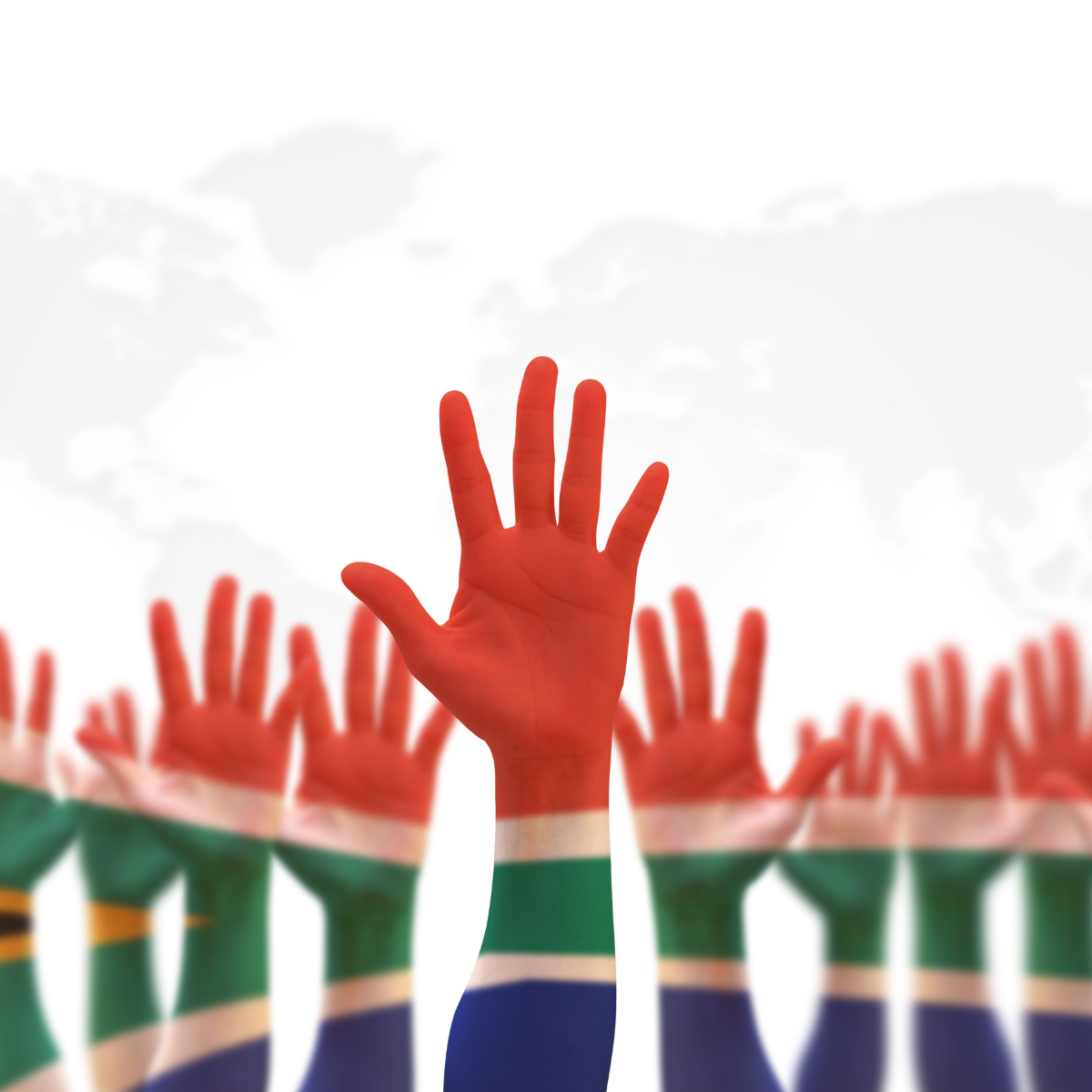
The Day of Reconciliation, commemorated annually on 16 December, is one of South Africa’s most important public holidays. Established in 1994 by the first democratic government, it symbolises the country’s commitment to healing historical divisions and building a nation founded on unity, justice, and shared identity. Its significance lies not merely in remembrance, but in the deliberate reimagining of a fractured past to cultivate a more cohesive and equitable future.
Historical Origins: A Date with Two Conflicting Memories
Long before it became a public holiday, 16 December held deep meaning for different South African communities, often in ways that reflected the racial and political divisions of the past.
For many Afrikaners, the date was celebrated as the Day of the Vow (formerly the Day of the Covenant), marking the Voortrekkers’ victory over the Zulu forces at the Battle of Blood River in 1838. It became a cornerstone of Afrikaner nationalism and religious-political identity.
For Black South Africans, 16 December held a different significance. It marked the formation of Umkhonto we Sizwe (“Spear of the Nation”), the armed wing of the African National Congress (ANC), in 1961 a direct response to the brutalities of apartheid and the systematic denial of peaceful avenues for political participation. The day, therefore, embodied a struggle for liberation, dignity, and resistance to institutional oppression (South African History Online, 2014).
Recasting the Day: A Symbol of National Healing
In 1994, South Africa’s democratic government selected 16 December as the Day of Reconciliation precisely because of its contested meanings. Instead of avoiding its complexity, the new state embraced the date as an opportunity to reshape it into a symbol of collective healing (Iziko Museums of South Africa, 2020, p. 2).
The goal was to create a shared space where South Africans from all backgrounds could reflect on historical injustices, the cost of conflict and division, the value of peace, and the responsibility to build a unified nation (Iziko Museums of South Africa, 2020, p. 4).
By choosing a date previously associated with exclusivity narratives, the country signaled its intention to forge a new identity rooted in inclusion and mutual recognition.
Contemporary Meaning: More Than a Public Holiday
Today, the Day of Reconciliation is not merely a day off from work—it is an annual call to reflect on the unfinished work of nation-building. It reminds South Africans that reconciliation is a continuous process that extends beyond symbolic gestures.
Key themes associated with the day include:
1. National Unity
Encouraging South Africans to bridge social, racial, and economic divides.
2. Historical Justice
Recognising past injustices and supporting policies that correct structural inequalities.
3. Healing and Social Cohesion
Acknowledging intergenerational trauma and fostering community engagement.
4. Democratic Commitment
Advancing dialogue, accountability, and civic engagement as pillars of peace.
In a society still shaped by inequality, mistrust, and the legacies of apartheid, the Day of Reconciliation serves as a timely reminder that genuine unity requires action. From community programmes and cultural dialogues to policy reforms and academic research, reconciliation is strengthened when South Africans work together to address contemporary challenges.
Why It Still Matters in 2025
Thirty years into democracy, South Africa continues to grapple with economic disparities, social tensions, and complex debates about identity, memory, and justice. These realities highlight that reconciliation is not a destination it is a journey that demands continuous participation from all sectors of society.
The Day of Reconciliation remains relevant because it urges the nation to:
- confront uncomfortable histories,
- engage in honest dialogue,
- build social trust,
- and commit to an inclusive future grounded in shared humanity.
The Day of Reconciliation on 16 December is a powerful national reminder that South Africa’s strength lies in its ability to transform a divided past into a foundation for unity. It invites every citizen to reflect on their role in sustaining peace and ensuring that freedom, dignity, and justice are not abstract ideals but lived realities for all.
As South Africa moves forward, the spirit of reconciliation remains essential challenging the nation to continually rebuild, reimagine, and reaffirm its collective identity.

Leave a Reply