


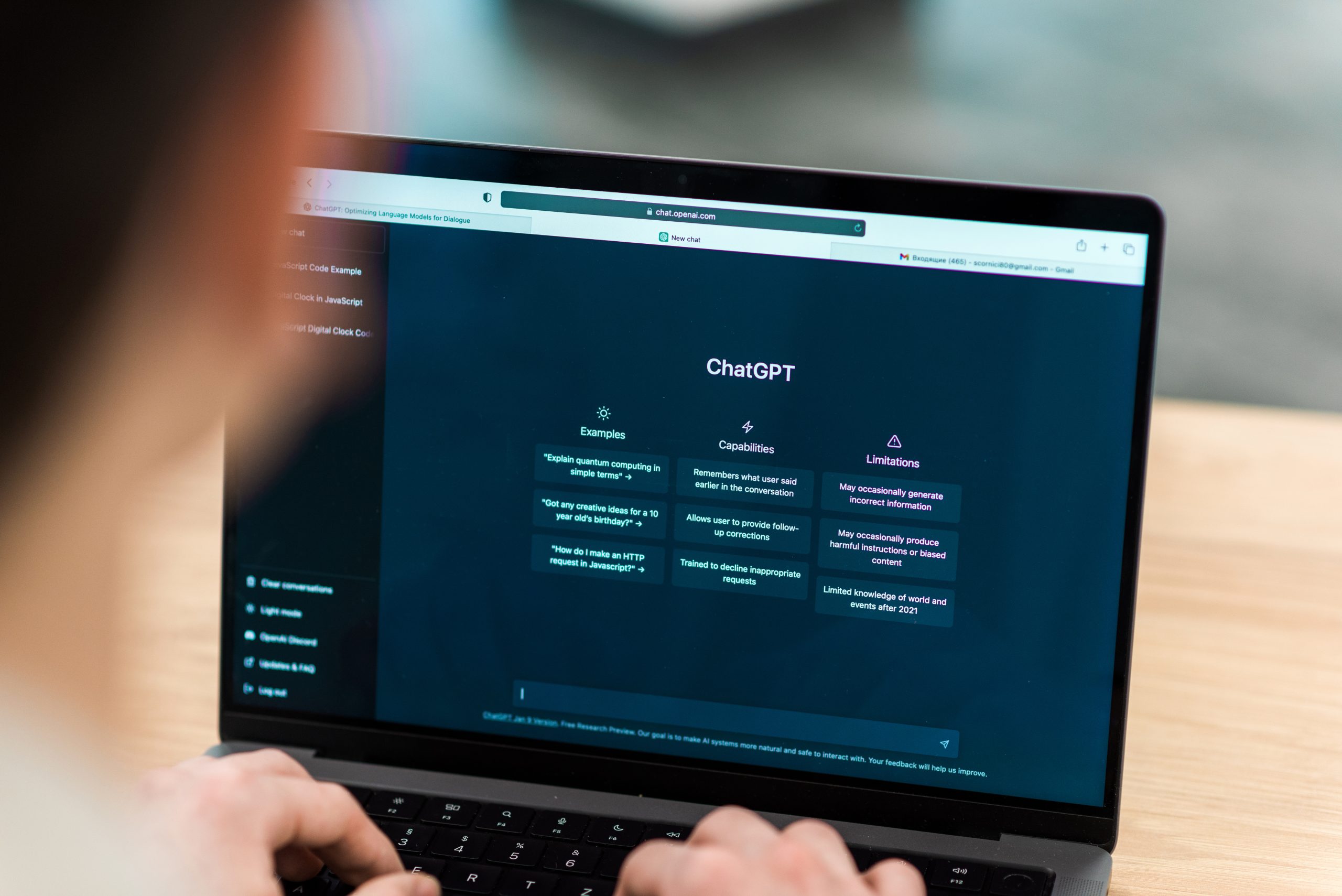
As year-end assignments pile up and deadline pressure intensifies, many South African students are turning to AI tools like ChatGPT for help. But when does assistance cross into academic dishonesty?
The Debate Dividing Campuses
Recent research published in Interactive Learning Environments challenges the widespread belief that AI use directly triggers plagiarism. A study of 507 university students found that while a correlation exists between ChatGPT usage frequency and plagiarism, the causal relationship is virtually nonexistent.
What actually predicts plagiarism? Being immersed in a “cheating culture” where peers normalise dishonesty and experiencing amotivation—feeling disconnected from your studies. These factors account for nearly 30% of dishonest behaviour, far more than AI usage itself.
The South African Context
As we approach exams, the pressure is crushing. With unemployment at 31.9%, academic success feels like the only path to survival. This desperation makes shortcuts tempting.
But research shows that students who are aware of academic integrity principles exhibit markedly lower plagiarism rates. The problem isn’t the technology—it’s how we use it and the academic culture we operate in.
Using AI Ethically
Studies reveal ChatGPT can be used responsibly for brainstorming ideas, understanding complex concepts, getting structural feedback, and improving grammar. What crosses the line? Submitting AI-generated content as your own work, using it to write entire assignments without disclosure, or bypassing the learning process entirely.
Frontiers in Education research emphasises that universities must establish clear AI policies while reinforcing pedagogical strategies encouraging active participation. Many South African institutions are still developing these policies, leaving students uncertain about boundaries.
The Character Question
This conversation transcends rules—it’s about who you’re becoming. Research shows that students who develop strong ethical frameworks in university carry these into professional life, affecting career success and relationships.
When you use AI to genuinely learn versus using it to avoid learning, you’re making a choice about your future capabilities. Employers don’t just want degrees; they want people who can think critically, solve problems independently, and maintain integrity under pressure.
Practical Guidelines
Before using ChatGPT for any assignment: check your course outline for AI policies; ask your lecturer if anything is unclear; use AI as a tutor (explaining concepts), not a ghostwriter; always cite AI assistance when used; and verify all AI-generated information—it makes mistakes.
Research shows that students who transparently acknowledge AI use while demonstrating their own critical thinking maintain academic integrity while leveraging helpful tools.
Looking Ahead
Next week, we’ll explore how the G20 Summit happening in Johannesburg this weekend connects to your career prospects and what integrity in a global economy really means. The skills employers seek globally—critical thinking, ethical decision-making, and adaptability—are exactly what proper academic work develops.
Use AI as your assistant, not your substitute. Your future self will thank you.
References:
- Interactive Learning Environments (2025). “Relationship between the use of ChatGPT for academic purposes and plagiarism”
- Frontiers in Education (2025). “Ethical use of ChatGPT in education—Best practices to combat AI-induced plagiarism”
- Phys.org (2025). “Study challenges claim that AI use directly triggers plagiarism among university students.”



Leave a Reply