


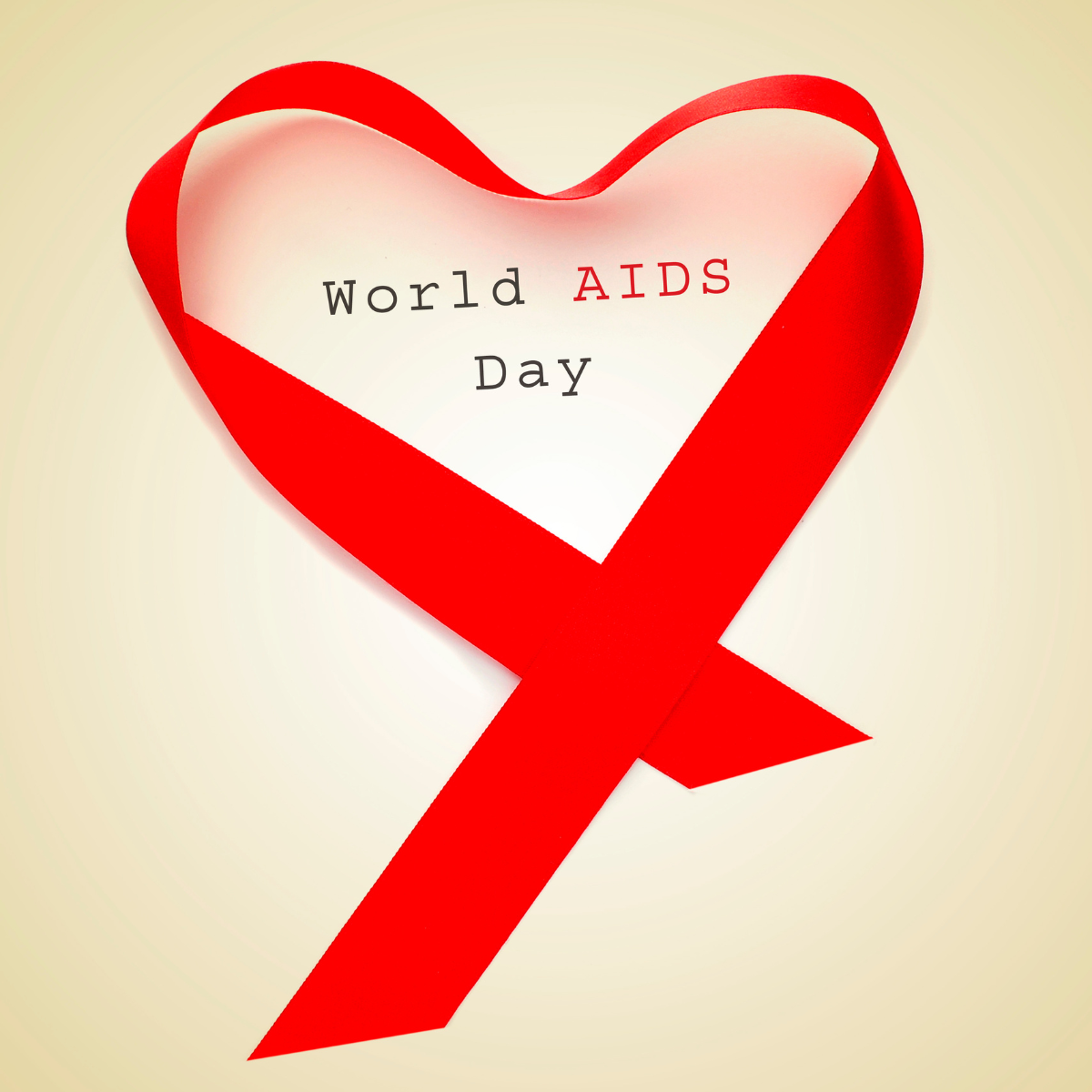
World AIDS Day 2025 arrives at a moment of profound global uncertainty. As highlighted by UNAIDS (2025), mounting financial constraints and the rise of punitive laws worldwide have disrupted HIV programmes and threatened the gains made over the past decades. South Africa, home to the world’s largest HIV treatment programme, must navigate this global crisis while sustaining its commitment to the goal of ending AIDS as a public health threat by 2030. The Government emphasises that World AIDS Day serves as a reminder that “HIV has not gone away and that collectively, there is the need to increase awareness, fight prejudice and improve education.”
The thematic focus for 2025, “Overcoming disruption, transforming the AIDS response,” serves as a critical reminder that transformation, not regression, is now required.
1. Bridging the Global Financing Gap
UNAIDS has warned that international funding cuts are placing unprecedented strain on HIV prevention and treatment efforts globally. According to the agency, these cuts risk reversing progress in prevention services and community-based programming. In this context, South Africa must champion a renewed global push for multilateral investment while simultaneously strengthening domestic financing mechanisms.
Bridging the financing gap means ensuring the continuity of essential services, such as ART provision, PrEP roll-out, viral load monitoring, and HIV/TB integration, particularly for underserved and high-burden communities. The country must also advocate at diplomatic and global governance platforms for increased donor contributions, as UNAIDS stresses that the global HIV response “cannot rely on domestic resources alone.”
2. Strengthening Community-Led Responses
South Africa has long demonstrated the power of community leadership from Treatment Action Campaign mobilisation to youth-led innovation. In alignment with UNAIDS’ reminder that community-led initiatives remain “vital to reaching marginalised populations,” the country must ensure that such actors are not sidelined during financial disruptions.
Stable and predictable funding for NGOs, civil-society networks, key-population organisations, and community health workers is essential. These groups serve as first responders in prevention, testing, harm reduction, adherence support, and psychosocial care. Strengthening their capacity is a direct investment in resilience and sustainability.
3. Addressing Structural Inequalities
Inequality remains one of the strongest determinants of HIV risk. UNAIDS emphasises that punitive laws and discriminatory social structures deepen vulnerabilities particularly for women, girls, LGBTQ+ persons, sex workers, informal workers, and impoverished households.
In South Africa, where gender-based violence, unemployment, and social exclusion continue to shape health outcomes, structural reform is fundamental. Key priorities include:
- Removing laws and practices that discriminate based on gender, sexual identity, or socioeconomic status
- Expanding access to sexual and reproductive health services
- Scaling up GBV prevention and survivor-support interventions
- Strengthening social protection systems for households affected by HIV
Eliminating structural barriers is not only an ethical imperative but also a public health necessity.
4. Expanding Access to Prevention and Treatment
Sustaining progress requires innovation. South Africa must accelerate the rollout of long-acting PrEP, expand differentiated service delivery models, and deepen the integration of HIV and TB care, particularly in rural and peri-urban areas.
Investment in digital health technologies, such as telehealth adherence support, virtual counselling, appointment reminders, and digital patient navigation, will also help maintain service continuity during disruptions.
In line with UNAIDS’ warning that prevention services are increasingly disrupted globally, South Africa’s response must prioritise accessible, decentralised, and patient-centred healthcare systems capable of withstanding future shocks.
5. Eliminating Stigma and Discrimination
Stigma remains one of the most pervasive obstacles to HIV prevention and treatment. It undermines testing uptake, disclosure, treatment adherence, and psychosocial wellbeing. Ending discrimination in families, schools, clinics, workplaces, places of worship, and public institutions is essential for achieving universal access to care.
“Stigma and discrimination can be as devastating as the illness itself.” South African Government (2025)
Campaigns focusing on social norms, positive messaging, community dialogues, and rights-based education will be key tools. Ending stigma is not simply a social goal, but it is a prerequisite for meeting the 2030 target.
Political Leadership: The Cornerstone of Progress
UNAIDS Executive Director Winnie Byanyima captured the gravity of the current moment when she stated:
“In a time of crisis, the world must choose transformation over retreat.” UNAIDS, 2025
Political leadership at every level, national, provincial, municipal, regional, and global, remains the central driver of an effective HIV response. Leadership determines whether laws protect or marginalise, whether budgets are expanded or cut, and whether affected communities are empowered or ignored.
South Africa’s history demonstrates that when political will aligns with scientific evidence and community activism, transformative outcomes are possible. The country must therefore continue to champion a human-rights-centred response domestically while advocating for equitable global financing and legal reforms at multilateral platforms.
A Call to Unity and Renewed Commitment
As South Africa marks World AIDS Day 2025, all people, institutions, and sectors are called upon to:
- Stand firmly against discrimination and harmful stereotypes
- Support and affirm people living with HIV with compassion and respect
- Advocate for sustained global and domestic investment in AIDS programmes
- Protect the rights and dignity of women, girls, LGBTQ+ communities, and other vulnerable groups
- Promote scientifically grounded prevention, testing, and treatment strategies
AIDS is not over. But as UNAIDS stresses, the world can still end AIDS by 2030 if it acts with “urgency, unity, and unwavering commitment.”
South Africa’s path forward must be transformational, anchored in rights, driven by communities, and sustained by political and financial leadership. Only through collective action can the country and the world truly overcome disruption and build an AIDS response capable of securing long-term health, equity, and justice for all.



Leave a Reply